SAMPLE · “parka rated to minus 30”
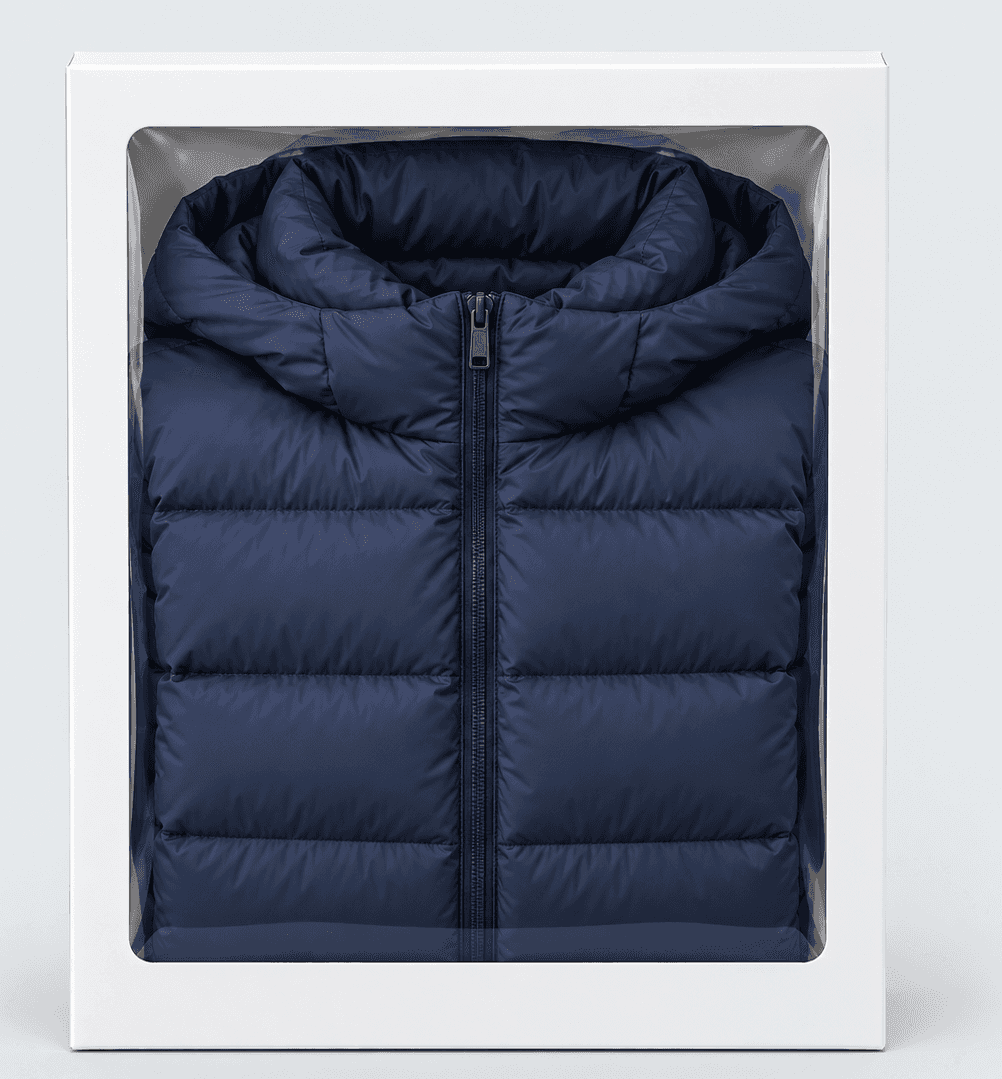
What the agent got
rated to: —
waterproof: 10,000 mm
weight: 1.6 kg
NOT FOUND
FIX
Add the rated temperature as text and a field: "rated to -30 °C".
FREE CHECK FOR SHOPIFY BRANDS
Send a product link. We'll email you what AI shopping agents can see, what's missing, and how to fix it. See a sample report →
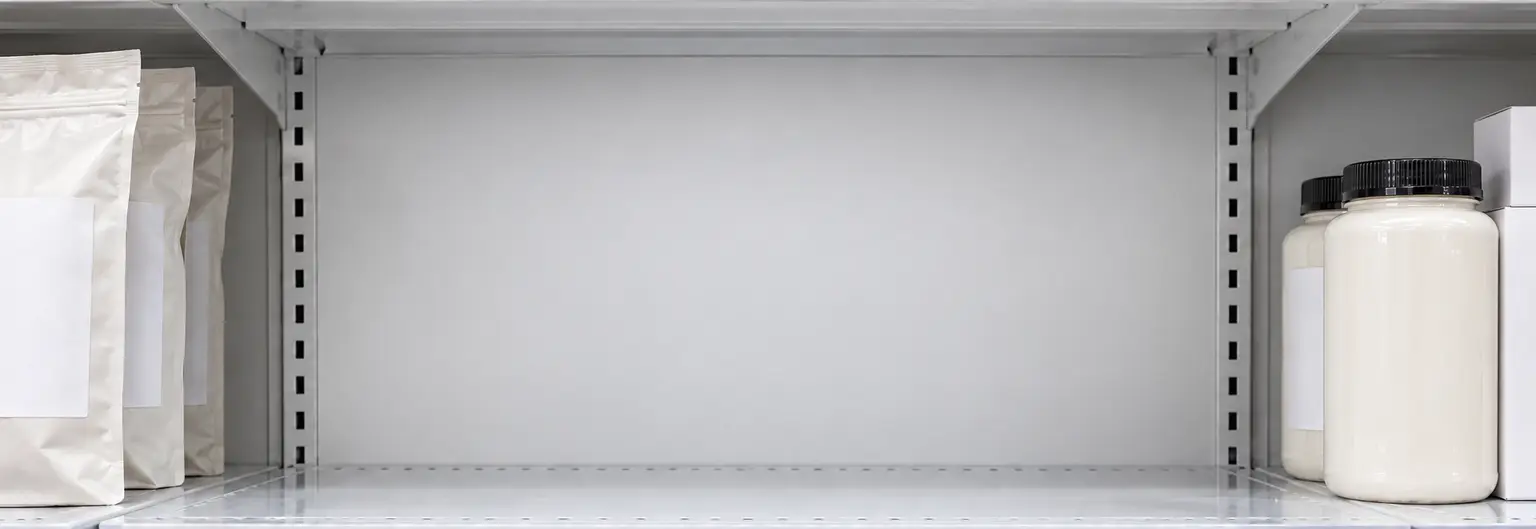
The same shelf, as an agent reads it.
SAMPLE · Shopper wants a parka rated to minus 30
It searches catalogs and the web for products that match what the shopper asked for.
It reads the facts written on your page. A spec inside a photo doesn't count.
It shortlists the products that prove they fit. Facts it never got can't help you.
Hatched = a fact the agent never got
FROM OUR RESEARCH
Same search, same shelf. One listing gives a number, the other an adjective. Start with the questions customers already email you: how loud, how warm, will it fit.
Source: Shopify's agent catalog, Oct 26, 2026
Read the finding →Shopper asks: “humidifier for dry winter air large room quiet top fill”
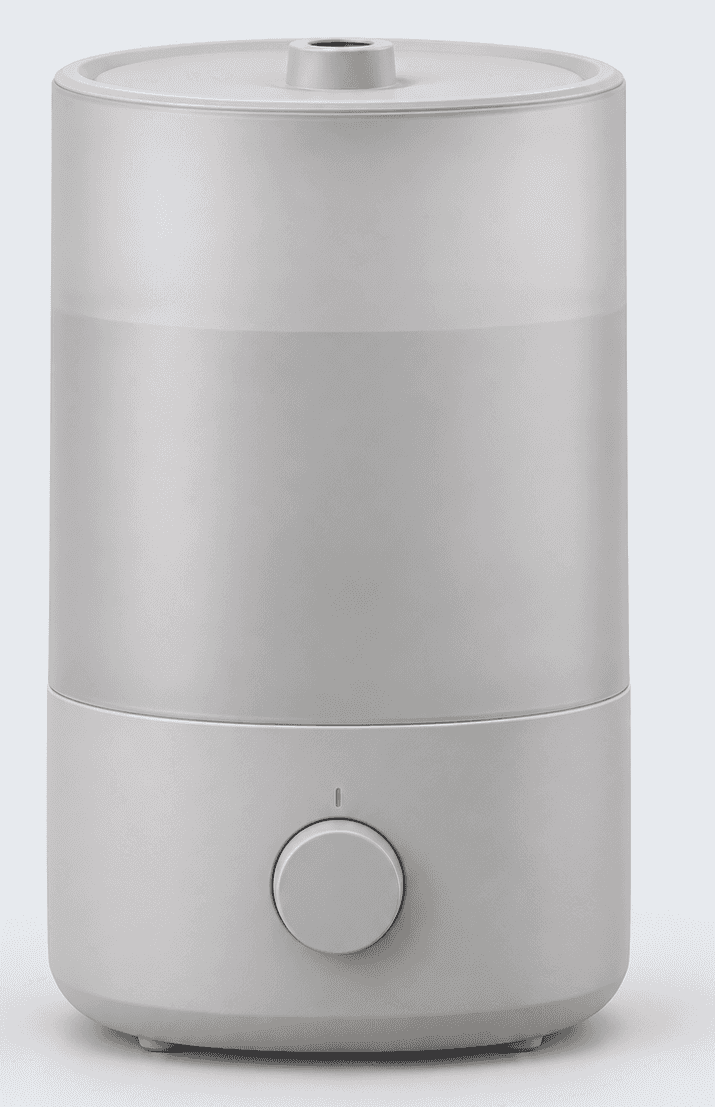
This listing says
runs quietly enough to leave on overnight
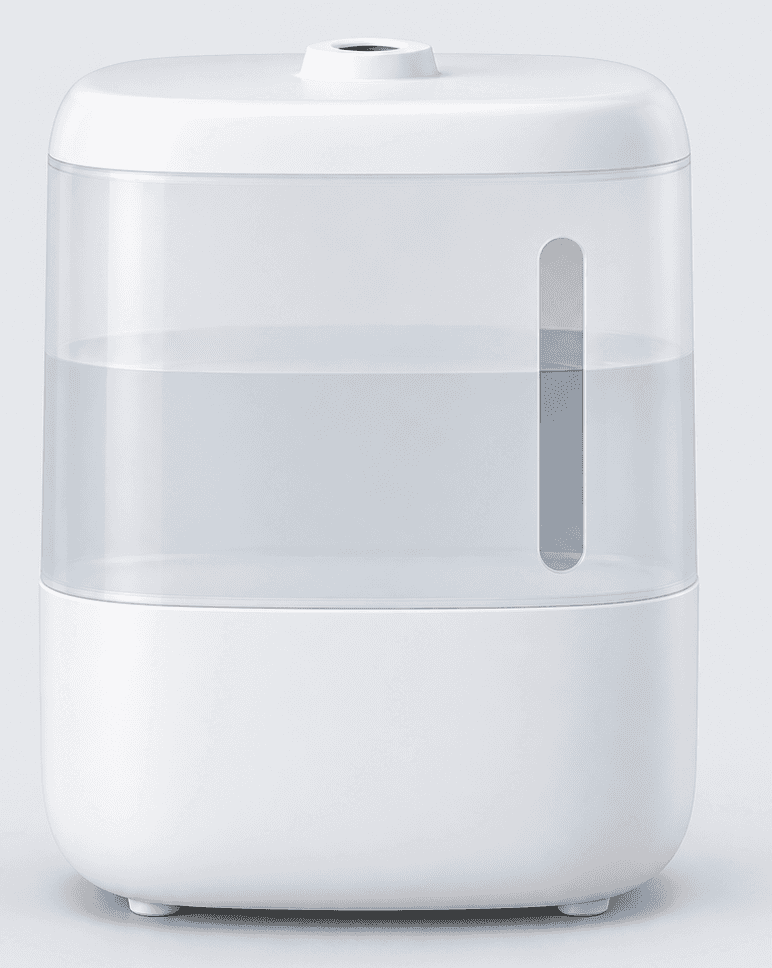
The listing beside it says
21dB Quiet
Photos are stand-ins. The words on the tags are verbatim.
What the agent got
rated to: —
waterproof: 10,000 mm
weight: 1.6 kg
NOT FOUND
FIX
Add the rated temperature as text and a field: "rated to -30 °C".
What the agent got
says: "quiet"
noise: —
NOT FOUND
FIX
Print the measured noise level in dB in the title or a spec line.

What the agent got
says: "linen shirt"
fabric: —
NOT FOUND
FIX
State the fabric blend in text, e.g. "55% linen, 45% cotton".
| BRAND-MENTION TOOLS | CART FOR AGENTS | |
|---|---|---|
| Asks | Does AI mention my brand? | Does this product show up for this search? |
| Looks at | Your brand, across many prompts | One product, one real shopper search |
| You get | A visibility score | The exact facts the agent got, and the fix |
FOR AGENTS
AI agents read this site directly. Every page has a data version made for them.
Nothing here is paid placement.
Follow one product through the five stages of agentic commerce, from catalog intake to checkout: who decides each one, what a Shopify merchant controls, and what to check first.
Vague listings were almost never picked; factual ones won when they answered the shopper's brief. Pick counts across Claude, GPT and Gemini models, by brief and product.
Every noise statement on a humidifier shelf in Shopify's agent catalog, traced to the field it came from: which listings gave a decibel figure and which only said quiet.
Separate Shopify distribution from merchant-owned product facts, eligibility checks and downstream offers in an ownership checklist.
Some are, and it's still small next to Google. That's why now is the time to check: the fixes are cheap and the channel is young.
It put your products in the catalog agents shop from. Being in the catalog isn't the same as being picked for "quiet" or "rated to minus 30". That depends on which facts reached it.
Partly. Clear facts help everywhere. What's new is the unit: one product against one shopper's question, with the exact words the agent received.
Because a number you can't check is the problem with this whole category. We show what the agent got, word for word, so you can verify every line.
No, and be wary of anyone who says they can. We read Shopify's agent catalog, the one it sends to ChatGPT, Copilot, Google AI Mode and Gemini, plus the open web. Each assistant then adds its own sources and ranking.
No. We tell you which fact is missing and where to put it. You write it, because you know whether it's true.
For now, yes. Shopify's agent catalog is the shelf we read. Open-web checks work for any store.
Weekly checks aren't open yet. Join the list and we'll tell you the day they are.